


Lighting a space is much more than simply buying and installing fixtures. Often, the confusion between the "object" (the fixture) and the "effect" (the lighting) leads to choices that compromise both the aesthetics and the functionality of our homes.
Let's explore the 12 most common mistakes and how you can turn them into opportunities for a perfectly lit environment.
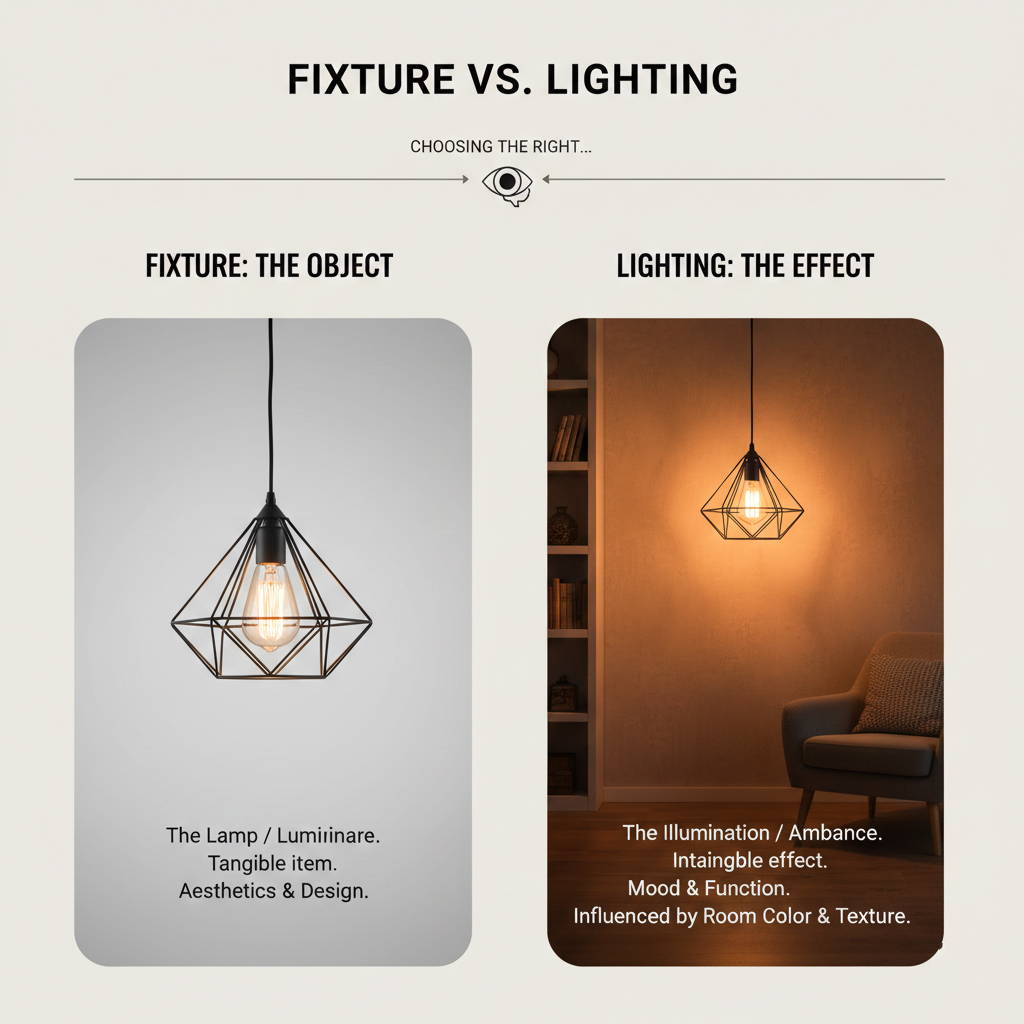
1. Confusing Fixtures with Lighting
Fixtures are just the tools. Proper lighting is the result of a study that considers room dimensions, wall colors, and the activities hosted in each space. First, we define the needs; then, we choose the tools.
2. Choosing Based Solely on Appearance
Many choose fixtures because they looked great in a showroom, without considering if they fit the technical specifications of their own space. While aesthetics matter, functionality provides daily comfort.
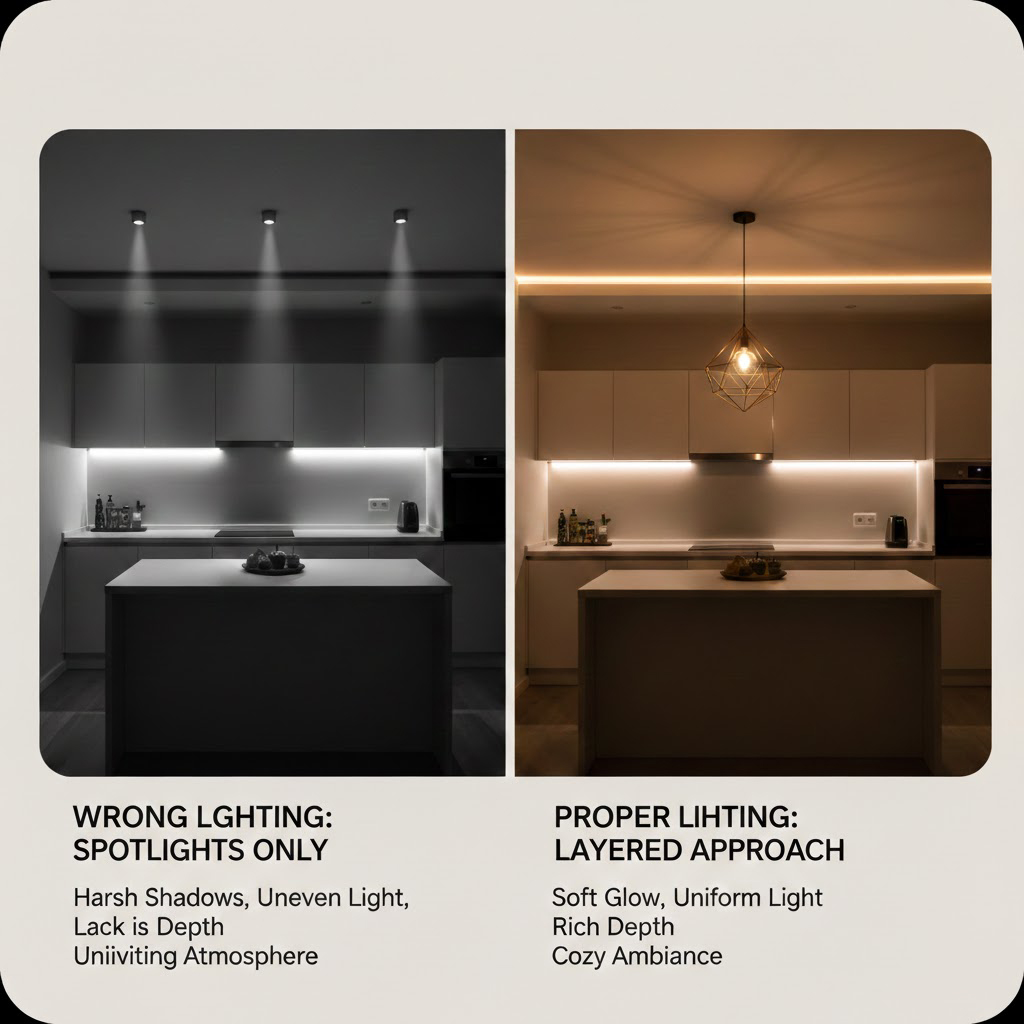
3. "Spotlight Mania" (Spots Everywhere)
Spotlights create sharp contrast. Using them as the exclusive source of general lighting results in harsh shadows and "islands" of light that cause eye strain.
4. Ambiguity in Lighting Purpose
Every room has multiple uses. Having a single light intensity for all occasions (work, relaxation, hosting) is a mistake. We need layers of light.
5. Over-lit or Under-lit Spaces
Lighting shouldn't be "all or nothing." Lack of dimming or the wrong amount of light (lumens) can make a room feel like an operating room or, conversely, dark and uninviting.
6. Incorrect Use of Luminaire Types
Every fixture is designed for a specific purpose. Using a decorative piece as a primary task light source always results in poor visual performance.
7. Focusing Only on the Purchase Price
The real cost includes energy consumption and lifespan. A cheap, low-quality option often proves much more expensive in the long run.
8. Purchasing Without Safety Standards
Products without certifications (like CE) can jeopardize your home's electrical installation and your overall safety.
9. Mismatch with the Space's Style
Lighting must "communicate" with the architecture. A well-designed space is immediately downgraded if lit by fixtures of poor aesthetics or build quality.
10. Lack of Energy Efficiency
Ignoring LED technology and smart controls deprives your home of the opportunity to reduce costs and protect the environment.
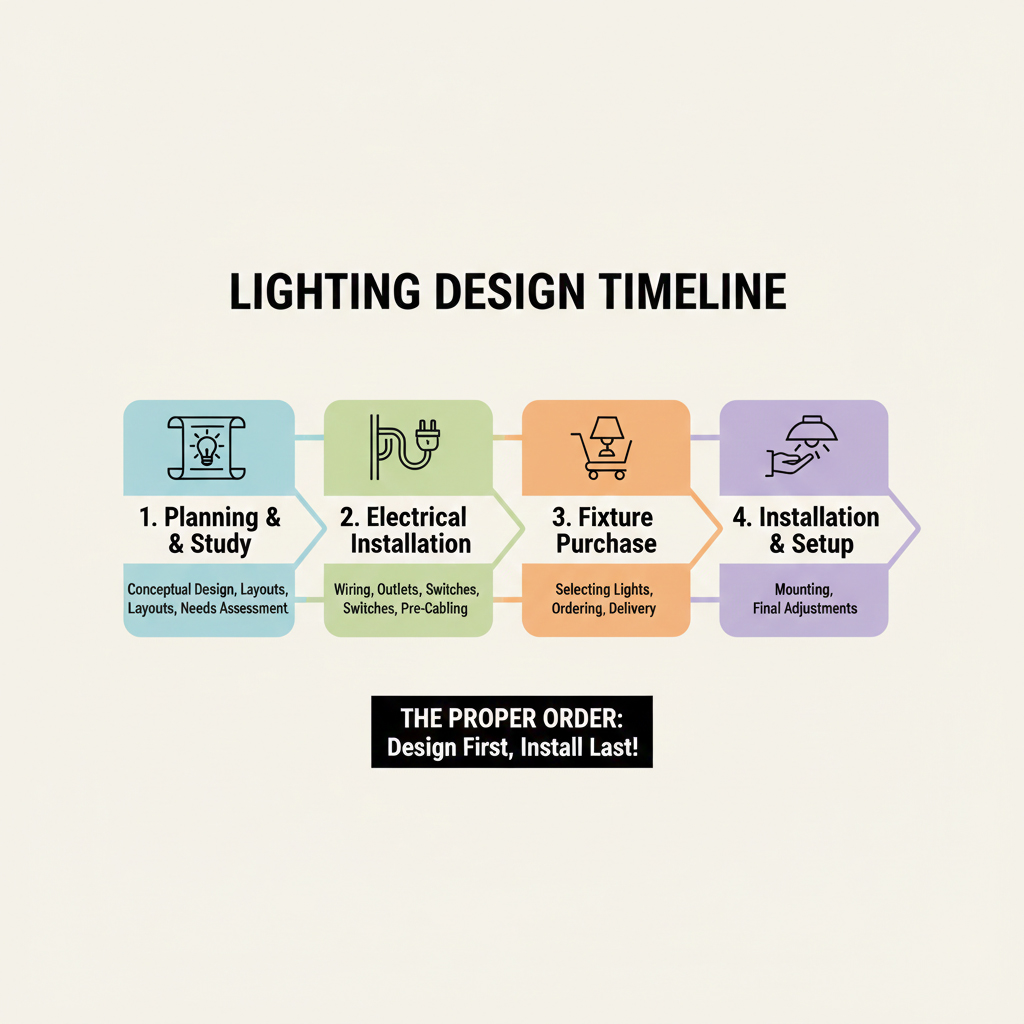
11. Postponing Design Until the End
Lighting should be planned alongside the electrical study to ensure power outlets and dimmers are placed exactly where they are needed.
12. Insufficient Planning and Improvisation
Improvisation leads to costly corrections. Careful planning from the start is the only guarantee for a functional, atmospheric, and professional result.
Conclusion
Proper lighting is fundamental to creating a pleasant and functional environment. Invest in understanding your needs and trust the experts to give your space the value it deserves.